The aviation industry in the United States stands as one of the most dynamic and lucrative sectors globally, offering exceptional career opportunities for skilled professionals from around the world. With a persistent pilot shortage projected to peak in 2026 at around 24,000 pilots, according to industry analyses from firms like Oliver Wyman, U.S. airlines and aviation companies are increasingly open to hiring international talent. This demand is driven by factors such as mandatory retirements, expanding fleets, and surging air travel post-pandemic. For international professionals, roles in piloting, aerospace engineering, air traffic control, and related fields not only promise salaries often exceeding $100,000 annually but also pathways to long-term residency through specialized visa options.
High-paying positions, particularly airline pilot roles, can reach well over $200,000 for experienced captains at major carriers like Delta, United, and American Airlines, with some senior pilots earning upwards of $500,000 including bonuses and profit-sharing. Beyond piloting, other aviation careers such as aerospace engineers and air traffic controllers frequently offer six-figure compensation, reflecting the specialized skills required. International applicants benefit from visa sponsorship programs and immigration pathways tailored to address workforce shortages. This comprehensive guide explores the landscape of these rewarding opportunities, detailing job roles, salary expectations, requirements, and strategies for foreign professionals to successfully enter the U.S. aviation market.
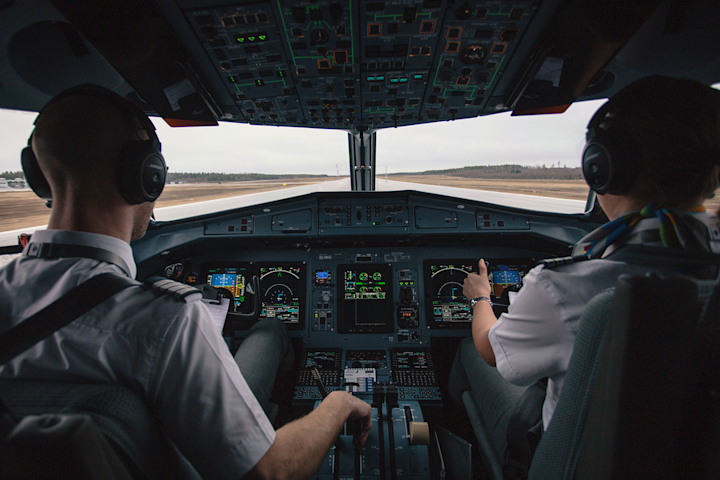
The Growing Demand for Aviation Professionals in the U.S.
The United States aviation sector is experiencing unprecedented growth, fueled by record passenger numbers and fleet expansions at major airlines. Boeing’s latest outlook estimates a need for hundreds of thousands of new pilots and technicians in North America over the next two decades. This surge creates a favorable environment for international professionals, as domestic supply struggles to keep pace with demand.
Key drivers include an aging workforce, with thousands of pilots approaching the FAA-mandated retirement age of 65 annually. Regional airlines, which serve as feeders to majors, have been particularly affected, leading to route reductions in smaller communities. Major carriers like United, Delta, and American are actively hiring, with projections for continued robust recruitment through 2026 and beyond. For international candidates, this shortage translates to increased visa sponsorship opportunities, especially in high-demand roles where U.S. employers demonstrate a need for foreign expertise.
Additionally, advancements in aircraft technology and sustainability initiatives are expanding roles in engineering and maintenance, further broadening opportunities. The industry’s resilience, evidenced by strong recovery in air travel, ensures stability and growth potential for those entering the field.
High-Paying Pilot Careers in the U.S. Aviation Industry
Piloting remains the pinnacle of high-earning aviation careers in the United States, with commercial airline pilots commanding some of the highest salaries in the sector. According to the U.S. Bureau of Labor Statistics, the median annual wage for airline pilots, copilots, and flight engineers exceeds $220,000, with top earners at major carriers surpassing $500,000 through base pay, bonuses, and incentives.
Commercial airline pilots operate scheduled passenger or cargo flights for major carriers. First officers (co-pilots) typically start with salaries around $100,000 to $150,000 at regional airlines, progressing to $200,000+ as they upgrade to captain positions at legacy carriers like Delta or United. Captains on widebody international routes often earn the highest, benefiting from seniority-based pay scales, per diems, and profit-sharing. The role involves pre-flight planning, in-flight management, and ensuring passenger safety, requiring exceptional decision-making under pressure.
Corporate pilots fly private jets for businesses or high-net-worth individuals, offering more flexible schedules and salaries ranging from $120,000 to over $250,000 depending on aircraft type and flight hours. These positions demand versatility, as pilots may handle international trips and varied destinations.
Cargo pilots, employed by companies like FedEx or UPS, enjoy competitive pay often exceeding $200,000, with schedules that include overnight and international flights. The demand for cargo operations has grown significantly, providing stable, high-compensation roles.
For international professionals, transitioning to these careers involves converting foreign licenses to FAA standards, accumulating U.S. flight hours, and securing sponsorship.
Other Lucrative Aviation Careers Beyond Piloting
While piloting garners much attention, numerous other aviation roles offer salaries over $100,000, appealing to professionals with technical or managerial expertise.
Aerospace engineers design and develop aircraft, spacecraft, and related systems, earning a median of around $130,000 annually. These professionals work on innovations in aerodynamics, propulsion, and materials, often for manufacturers like Boeing or government agencies. The role requires strong analytical skills and contributes to advancements in efficient, sustainable aviation.
Air traffic controllers manage aircraft movements to ensure safe separations, with average salaries around $137,000. Working in towers or en route centers, controllers handle high-stress environments, directing thousands of flights daily. The FAA provides rigorous training, leading to rewarding careers with excellent benefits.
Aircraft maintenance technicians and avionics specialists maintain and repair aircraft systems. Avionics technicians, focusing on electronic navigation and communication equipment, can earn $80,000 to $120,000 or more with experience. A&P (Airframe and Powerplant) certified mechanics enjoy high demand, with top roles at major airlines offering six-figure pay plus overtime.
These careers provide diverse paths for international talent, often with shorter training timelines compared to piloting.
Visa Options and Pathways for International Aviation Professionals
Navigating U.S. immigration is crucial for foreign professionals pursuing aviation careers. Several visa categories facilitate entry, particularly those addressing skill shortages.
The EB-2 National Interest Waiver (NIW) is popular among experienced pilots, allowing self-petitioning without a job offer by demonstrating contributions to U.S. national interests, such as alleviating the pilot shortage. Successful applicants can obtain green cards, providing permanent residency.
H-1B visas require employer sponsorship and are suitable for specialized roles, though subject to annual caps. O-1 visas cater to individuals with extraordinary ability, ideal for accomplished pilots or engineers with awards or recognition.
EB-3 visas involve employer-sponsored labor certification, common for mechanics and technicians. Many airlines and companies offer sponsorship for qualified candidates, especially in shortage occupations.
Consulting immigration experts familiar with aviation-specific cases is recommended to build strong petitions.
FAA Certification and License Conversion for Foreign Pilots
To operate in the U.S., international pilots must hold FAA certificates. The process begins with verifying foreign licenses through the FAA’s authenticity letter, which can take 45-90 days.
Foreign private or commercial licenses can convert to FAA private pilot certificates under 14 CFR 61.75, often without additional checkrides. Instrument ratings may require a knowledge test. For full commercial or ATP privileges, additional training and checkrides are typically needed to meet the 1,500-hour rule and U.S. standards.
Flight schools specializing in conversions assist with building required hours and preparing for exams. English proficiency meeting FAA standards is mandatory.
Top U.S. Airlines Hiring International Talent
Major U.S. airlines actively recruit experienced pilots, with some offering pathways for internationals.
Delta Air Lines, United Airlines, and American Airlines lead in hiring, planning thousands of new pilots annually through 2026. Regional partners like Endeavor Air (Delta) and SkyWest provide entry points, sometimes with sponsorship.
Cargo giants like FedEx and UPS also hire internationally for their global operations. Opportunities are listed on airline career sites and platforms like Indeed or LinkedIn.
Salary Expectations and Career Progression
Salaries in U.S. aviation are among the world’s highest. Entry-level regional pilots start at $80,000-$120,000, progressing rapidly to $200,000+ at majors. Senior captains earn $300,000-$500,000+.
Non-pilot roles like aerospace engineering average $130,000, with potential for higher in management. Factors influencing pay include experience, aircraft type, and location.
Career progression relies on seniority, with opportunities for upgrades and international assignments enhancing earnings.
Tips for International Professionals Applying to U.S. Aviation Jobs
Build a strong resume highlighting flight hours, type ratings, and achievements. Network through aviation forums and job fairs.
Prepare for rigorous interviews, including technical assessments and simulators. Secure FAA certifications early.
Research employers offering sponsorship and tailor applications accordingly. Patience and persistence are key in this competitive yet rewarding field.
READ ALSO: $130K+ Accounting and Finance Jobs in the United States Offering Visa Sponsorship
FAQs
What are the main visa options for foreign pilots seeking jobs in the U.S.?
Foreign pilots have several pathways, including the EB-2 NIW for those demonstrating national interest contributions without needing a job offer, H-1B for sponsored skilled positions, and O-1 for extraordinary ability. EB-3 offers employer-sponsored routes, often used for mechanics.
How much do airline pilots earn in the United States?
Salaries vary widely, but median pay for airline pilots exceeds $220,000 annually, with experienced captains at major carriers earning $300,000 to over $500,000 including bonuses.
Is there really a pilot shortage in the U.S.?
Yes, projections indicate a peak shortage of around 24,000 pilots in 2026, driven by retirements and growth, creating opportunities for international hires.
Can international pilots convert their licenses to FAA standards?
Yes, through verification and potential additional training/checkrides, foreign licenses can convert to FAA certificates, starting often at private pilot level.
What non-pilot aviation jobs pay over $100,000?
Roles like aerospace engineers ($130,000 median), air traffic controllers ($137,000 average), and senior avionics technicians frequently exceed $100,000.
Which U.S. airlines are hiring the most pilots in 2026?
United, Delta, and American lead, with regionals like SkyWest and Endeavor also recruiting aggressively.
Do U.S. aviation employers sponsor visas for international candidates?
Many do, especially for pilots and technicians, through H-1B or EB categories to address shortages.
What qualifications are needed for high-paying aviation careers?
Most require FAA certifications, relevant degrees for engineering roles, and experience; English proficiency is essential.
How long does it take for foreign pilots to start working in the U.S.?
Timelines vary from 1-2 years for visa and certification processes, depending on experience and sponsorship.
Are there opportunities for aircraft mechanics from abroad?
Yes, high demand for A&P mechanics offers sponsorship and salaries up to $120,000+.
What is the job outlook for aviation professionals in the U.S.?
Strong growth projected, with thousands of annual openings due to expansion and retirements.
How can international professionals improve their chances of U.S. aviation employment?
Gain FAA certifications, accumulate relevant experience, network, and target shortage roles with sponsorship potential.